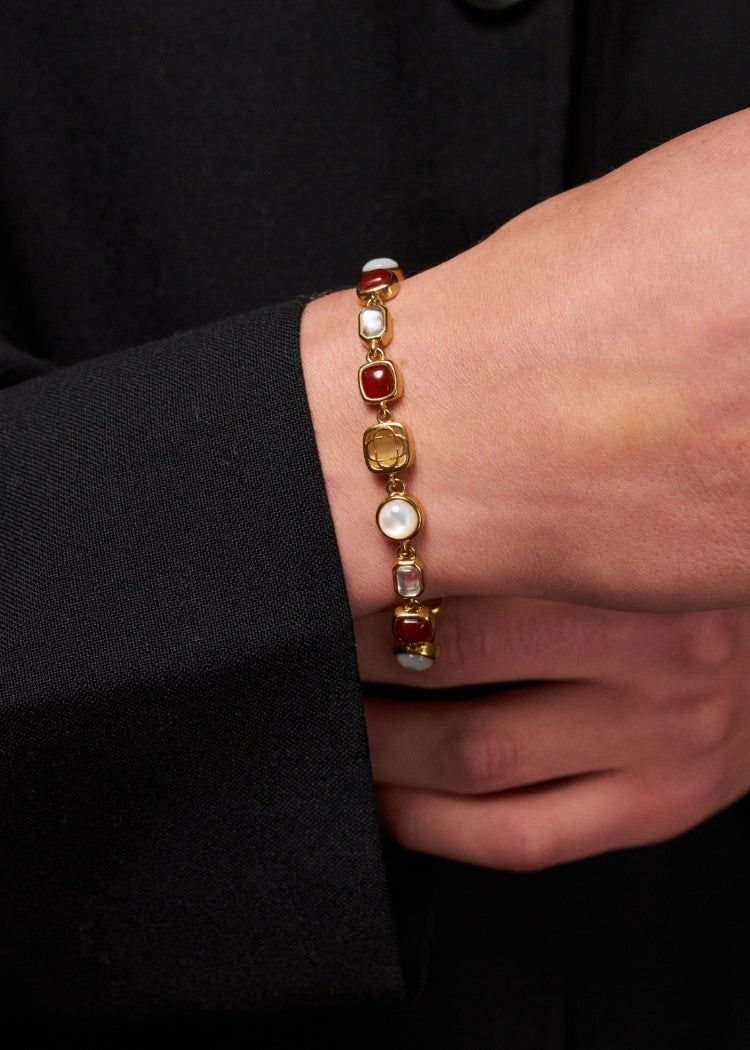
GEMSTONE BRACELETS
SHOP NOW



Cart
Your cart is empty
Your gifting options
Make your gift extra special with our luxury packaging options. Select a gift bag, gift box or a combination to create the perfect presentation.

Luxury Gift Box, Gift Bag & Wrapping Kit ($8.99)
Includes: CRAFTD Luxury Gift Box, Gift Bag, Tissue Wrapping Paper & Ribbon

Meaning Card ($2.99)
Add more meaning to your gift with a meaning card included with your order.
15 variations available

Luxury Gift Box ($5.99)
Choose your option
To My Boyfriend

To My Son

To My Grandson

To My Brother

To My True Friend

To My Dad

A Symbol Of Strength

A Symbol Of Faith

A Symbol Of Protection

A Symbol of Luck

A Symbol Of Safe Travel

A Symbol Of Self Belief

A Symbol Of Adventure
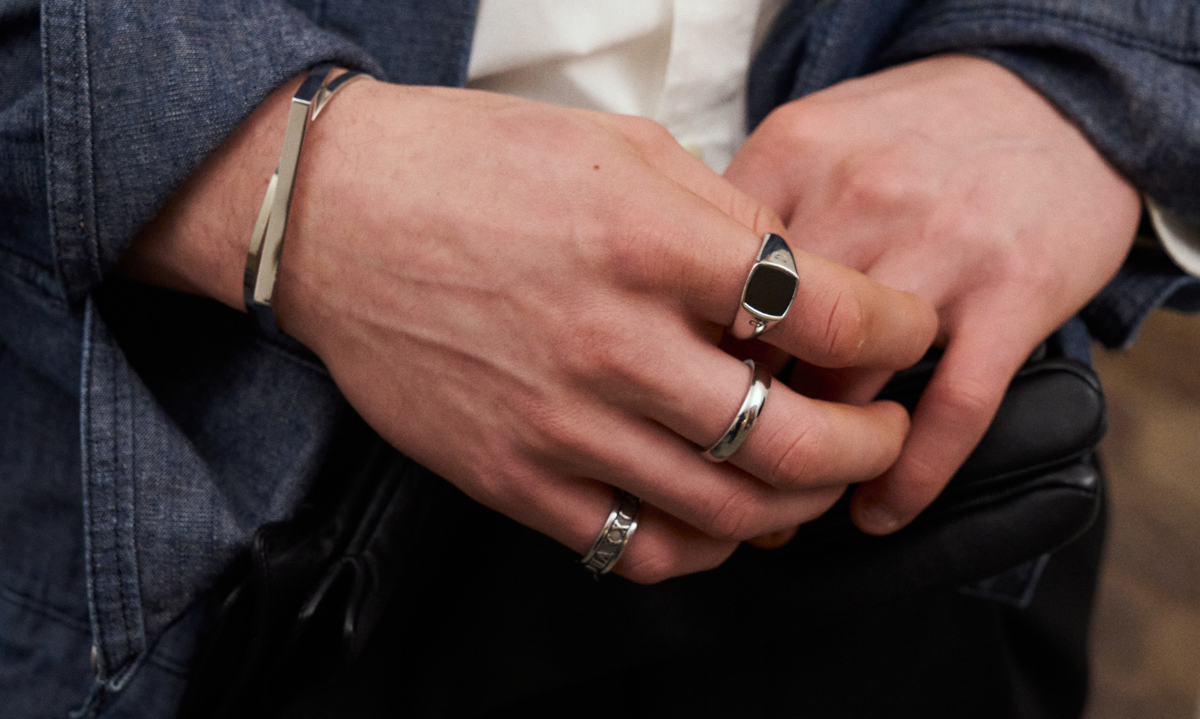
The metallic smell on your jewelry is not coming from the jewelry.
That sounds like a technicality until you know what it means for cleaning it. In 2006 a team led by Dietmar Glindemann, working across the University of Leipzig and Virginia Tech, went looking for the source of the smell people describe on coins, keys, blood and cheap rings. They published the answer in Angewandte Chemie, and it was not what anyone expected. Metal has almost no smell of its own. What you are smelling is a compound called 1-octen-3-one, and it is made out of the oils on your own skin.
The metal only starts the reaction. Which means the smell is a clue about the piece, and it also means a wash removes it, at least until the same reaction runs again.
Below we'll go through that properly, then the difference between tarnish, oxidation and rust, which of the three your piece actually has, and the right method for every metal you're likely to own.
Jump to:
Here's the reaction, in plain terms.
Your skin produces oils. Some of those oils oxidize into compounds called lipid peroxides, which is ordinary and happens to everyone. When sweat touches a reactive metal, it corrodes the surface very slightly and releases metal ions. Those ions break the lipid peroxides apart, and one of the fragments is 1-octen-3-one, which the human nose detects at extraordinarily low concentrations and reads as metallic.
So the smell is a form of body odor, catalyzed by your jewelry. Glindemann's team put it almost exactly that way in the paper. It's also why a ring smells when you wear it and smells of nothing sitting in a drawer.
That removes the oils, and with them the smell.
This is the part worth paying attention to. If the smell returns within a day of a proper clean, you haven't failed to clean it. The piece is producing the reaction faster than you can wash it away, and that tells you something specific about what it's made of.
Copper and brass are the main culprits. Both release ions readily, and both sit under the plating on most inexpensive jewelry. A piece that smells persistently, turns your skin green, or does both at once is almost always a copper alloy with a finish that has worn thin enough to let your skin reach it.
Unplated or low-grade steel does it too, for the same reason: free iron at the surface.
What doesn't do it is properly made stainless steel. 316L contains iron, but it also contains chromium, which forms an invisible oxide layer across the whole surface. That layer is what stops iron ions escaping into your skin, and it's the same property that stops the metal rusting or tarnishing. It's why our pieces are built on a 316L core, and on a gold-plated piece there's a layer of rhodium and a layer of 18K gold sitting between your skin and the steel on top of that.
If you want to test a piece, wash it, dry it, then hold it tightly in a clean palm for thirty seconds. If the smell is there immediately, the metal is reactive. That's a materials answer rather than a cleaning one.
Most cleaning advice treats these as one problem. They're three different chemical processes, only one of which applies to any given piece, and the fixes don't overlap.
Rust is iron oxide. It needs iron and it needs oxygen and water. It's orange-brown, it's flaky, and it eats into the metal rather than sitting on it. Almost no jewelry metal can rust: not gold, not silver, not copper, not brass, not tungsten, and not 316L stainless steel. If you have genuine rust on a piece of jewelry, it's unprotected steel or iron, and it's usually a clasp, a spring or a pin rather than the piece itself.
Tarnish is a surface film, and on silver it isn't oxidation at all. Silver tarnish is silver sulfide, and it forms when silver meets sulfur compounds in the air. That's why silver darkens faster near rubber bands, wool, eggs, and in humid rooms, and why it can tarnish in a sealed box where there's very little oxygen. It sits on the surface, it comes off, and the metal underneath is untouched.
Oxidation, used loosely, covers everything else: the slight dulling on low-karat gold from its alloy metals, the darkening on copper, the green on brass. All surface, all removable.
The practical version: if it's flaking and orange, it's rust and the piece is probably finished. If it's a dark film that wipes or polishes away, it's tarnish or oxidation and the piece is fine. Our guide to cleaning sterling silver covers the silver case in full, and how to clean copper jewelry covers the green.
There's a version of this that isn't a fault at all, and it catches people out constantly.
Oxidized silver is a finish some makers apply on purpose. It's usually done with liver of sulfur, which produces silver sulfide deliberately, and the result is a controlled blackening that gets polished back off the raised surfaces and left sitting in the recesses. On an engraved ring, a textured pendant or a signet face, that dark contrast is the entire design. It's the same compound as tarnish. The difference is that somebody chose it.
Here's how to tell which you have. Tarnish is even. It creeps across the whole piece, including the parts that catch the light, and it gets worse over time. A deliberate finish is selective. The black sits in the low points and the engraved lines while the high points stay bright, and it looks that way from the day you bought it.
If it's deliberate, clean it with mild soap, water and a soft cloth, and nothing else. Silver polish, silver dip and polishing cloths all exist to remove exactly that layer. One pass with a dip can take a design off permanently, and re-oxidizing is a jeweler job.
The same caution applies to any antiqued, patinated or blackened finish on any metal. If the darkness is part of what you liked about the piece, treat it as a coating rather than as dirt.
| Metal | Clean it with | Does it tarnish? | Does it smell? |
|---|---|---|---|
| 316L stainless steel | Warm water, mild dish soap, soft cloth | No. The chromium layer stops it | Almost never. It is the least reactive thing here |
| Gold plated over steel | Warm soapy water, soft cloth, light touch | The gold cannot. The steel underneath will not | No, unless the plating has worn through |
| Gold vermeil | Lukewarm soapy water, soft cloth only | The silver base can, through the gold | Rarely, and only once the gold thins |
| Sterling silver (925) | Soapy water, then a silver cloth for tarnish | Yes. This is the one that genuinely does | Mildly, from the 7.5% copper in the alloy |
| Solid gold | Warm soapy water, soft brush is fine | No. Gold does not react with air | Only on low karats, from the alloy metals |
| Copper and brass | Soapy water, or an acid-free polish for the green | Yes, heavily and quickly | Yes. These are the worst offenders by far |
| Tungsten | Warm soapy water, soft cloth | No | No |
| Plated costume metal | Dry or barely damp cloth, nothing else | The base metal underneath will | Yes, once the finish wears through |
One line is worth pulling out of that table. The metals that smell are the metals that tarnish, and both come down to how readily the surface gives up ions. It's the same property showing up as two different complaints.
Warm water, mild dish soap, a soft cloth. That covers the large majority of jewelry cleaning, and the exceptions are listed in the next section rather than the other way round.
The drying step is the one people skip and the one that matters most. Water trapped in a clasp or against a link is the single most common cause of dulling, and it's entirely avoidable.
Keep stones out of the soak and wipe them separately. Softer and more porous stones don't want water sitting on them, and settings don't want to be worked at.
For a chain specifically, the links need more patience than a flat surface does. How to clean silver chains and how to clean a gold chain both go through it step by step.
The most forgiving metal on the list. It doesn't rust, tarnish or react, and the chromium oxide layer repairs itself if it gets scratched. Soap and water handles everything. You can be firmer with it than with anything else here.
The one that genuinely tarnishes, because of the 7.5% copper that makes up the rest of the alloy. Soap and water for dirt, a silver polishing cloth for the dark film. Store it dry, ideally in a sealed bag, since it's the air rather than the wear that does it. What 925 means covers the stamp, and our own 925 Collection is where our genuine sterling sits.
The gold layer is measured in microns, so the rule is gentleness. No toothpaste, no baking soda, no ultrasonic cleaner. Cleaning gold-plated jewelry covers it properly, and what gold plated actually means explains why the layer is thinner than most people picture.
Gold over solid sterling silver, so it inherits the silver's habits underneath. Lukewarm water, soft cloth, dry it immediately. Never a silver dip: it reaches the gold first.
Doesn't tarnish, doesn't rust, and takes a soft brush without complaint. The only thing to respect is softness, since higher karats scratch more easily. Our guide to the different types of gold covers what each karat is actually good for.
The most reactive things you're likely to own, and the source of both the green skin and the persistent smell. They clean up, but they'll go again quickly. How to clean copper jewelry covers the method and the sealing question.
Extremely hard, chemically inert, and easy. Soap, water, cloth. It scratches other metals rather than the other way round, so store it separately.
Three signs that the problem isn't dirt.
The color has changed in specific places rather than dulling evenly. High points on a link, the inside of a band, the edge of a clasp. That's a finish wearing through to the metal underneath, and there's nothing on top left to remove.
The smell or the green comes back within a day of a proper clean. The base metal is now in contact with your skin. Cleaning treats the symptom each time and the piece will keep doing it.
There's genuine rust, pitting or flaking. Surface tarnish sits on the metal. Rust eats into it, and a pitted clasp is a structural problem rather than a cosmetic one.
The way to avoid all three is to start with metal that doesn't do any of it. Our pieces are built on a 316L stainless steel core, finished in 18K gold with rhodium beneath, or made in solid sterling silver. Nothing in the range is brass or copper-cored, which is the specific thing that causes the smell, the green and most of the tarnish people deal with. If you're not sure what you own, how to tell if jewelry is real silver runs through the tests.
Wash the piece in warm water with a few drops of mild dish soap, work gently into any links or crevices, rinse and dry it completely. That removes the skin oils the reaction needs. If the smell comes straight back within a day, the piece itself is the problem rather than the dirt: it is releasing metal ions into your skin, which usually means a copper or brass base showing through a worn finish.
Because that smell is not coming from the metal. Research published in Angewandte Chemie in 2006 found that the metallic odor people associate with iron, coins and blood is actually 1-octen-3-one, a compound produced when metal ions break down the natural oils on your skin. The metal is the catalyst. The smell is made from you.
Far less than most metals, and usually not at all. Stainless steel is iron-based, but the chromium in it forms an invisible oxide layer across the surface that stops iron ions being released into your skin. That passive layer is the same reason 316L does not rust or tarnish. On a gold-plated piece there is a layer of gold and rhodium between your skin and the steel as well.
It depends on which kind you have. Unintentional oxidation is tarnish: a dull or dark film that builds on the surface over time, and it cleans off. Intentional oxidation is a finish, where a maker has deliberately blackened the recesses of a piece for contrast. The two look similar and want opposite treatment, so it is worth working out which you are looking at before you touch it.
Yes, if the darkening is deliberate. Wash with mild soap and water, dry it, and stay away from polish, dips and anything abrasive. Those are designed to strip exactly the layer you want to keep. If the black is sitting only in the engraved lines and recesses while the raised surfaces are bright, that is a deliberate finish and polishing will flatten the whole design.
No, and the difference matters. Rust is iron oxide and only forms on iron and non-stainless steels. Tarnish on silver is silver sulfide, formed by sulfur compounds in the air rather than by oxygen. Most jewelry metals cannot rust at all, which is why rust-removal advice built around lemon juice and vinegar is usually being applied to a problem the piece does not have.
Copper. It is in most inexpensive alloys, and when it reacts with sweat it forms copper salts that transfer to your skin. It is harmless and it washes off. It is also a reliable signal about what the piece is made of, and it usually arrives around the same time as the metallic smell, for the same reason.
A wipe with a dry cloth every time you take a piece off, and a proper wash every few weeks if you wear it most days. The wipe is the part that does the work. Nearly every problem on this page, smell, tarnish and dulling alike, starts with skin oils and sweat sitting on metal overnight.
Most metal jewelry asks for very little: mild soap, a soft cloth, and drying it properly. The pieces that need more than that are usually telling you something about what they're made of.
If you're replacing something that's given up, chains, bracelets and rings are the place to start, and the 925 Collection if you want solid sterling. For care by material, our guides to cleaning gold jewelry and cleaning gold rings go deeper than this page does.

Pearls have been a well-loved accessory in fashion for decades, so it's no surprise that they're making a resurgence in popularity recently. But when you imagine a strand of pearls, what do you see...
Read more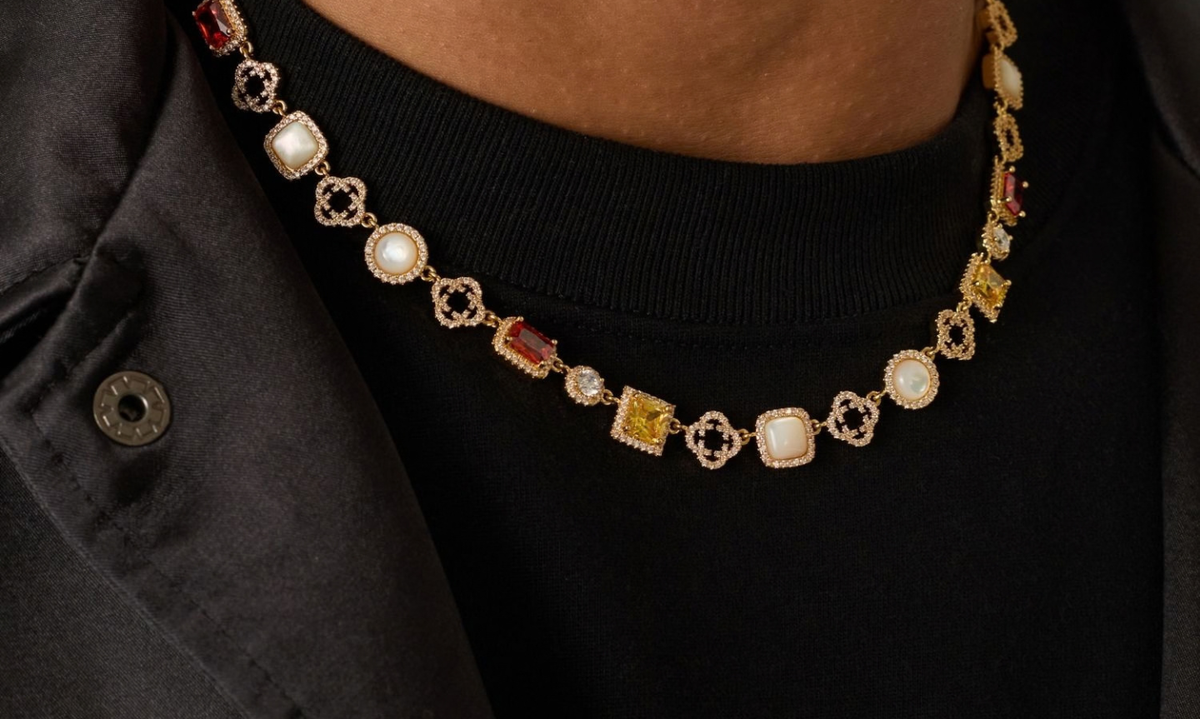
The 10 Most Expensive Chains in the World (And What They're Really Worth)
Rick Ross's self-portrait chain tops nearly every list at a reported $1.5 million, and nobody can tell you where that number came from. Lil Jon's is the only one on the list Guinness ever actually ...
Read more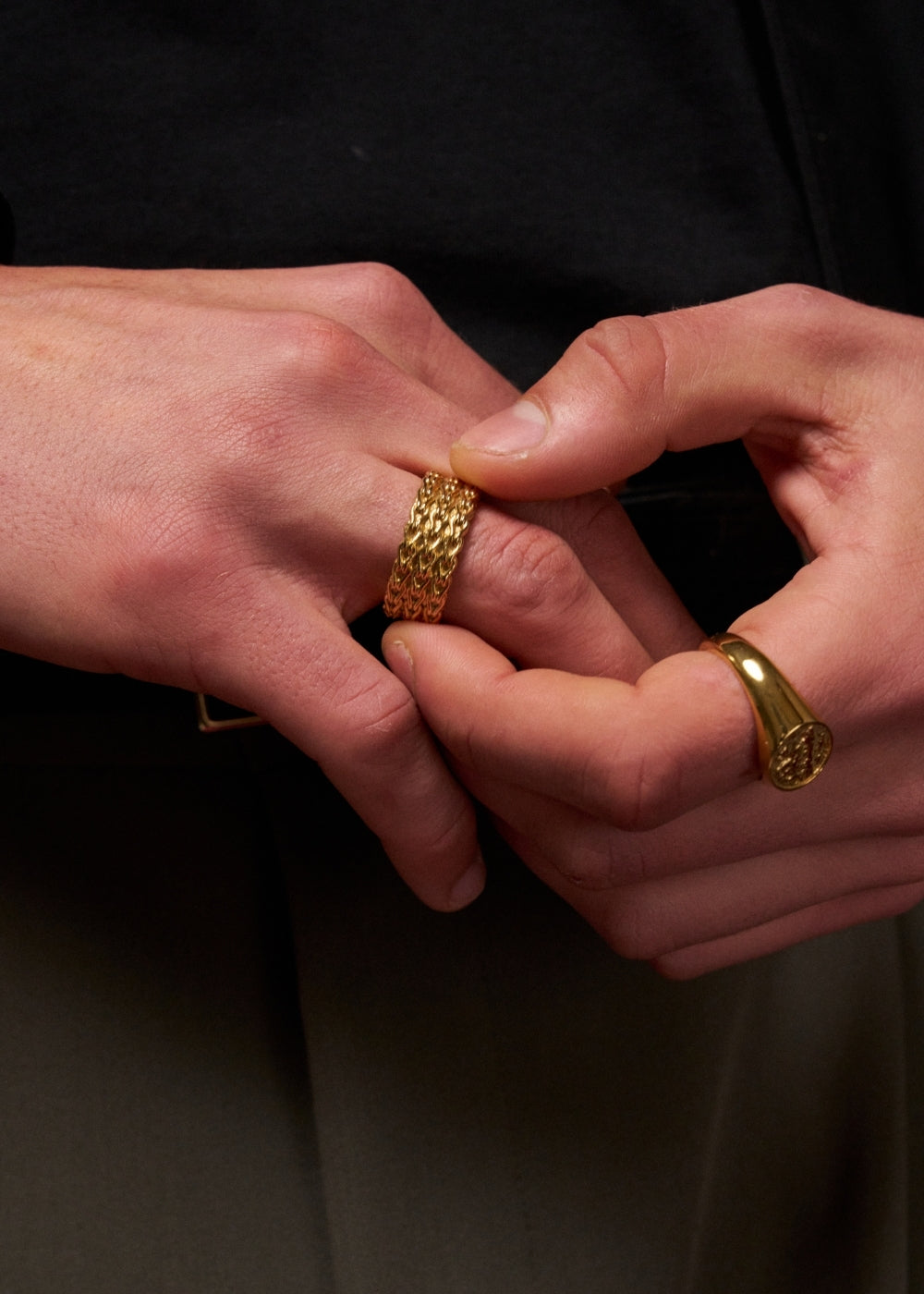

Leave a comment
This site is protected by hCaptcha and the hCaptcha Privacy Policy and Terms of Service apply.