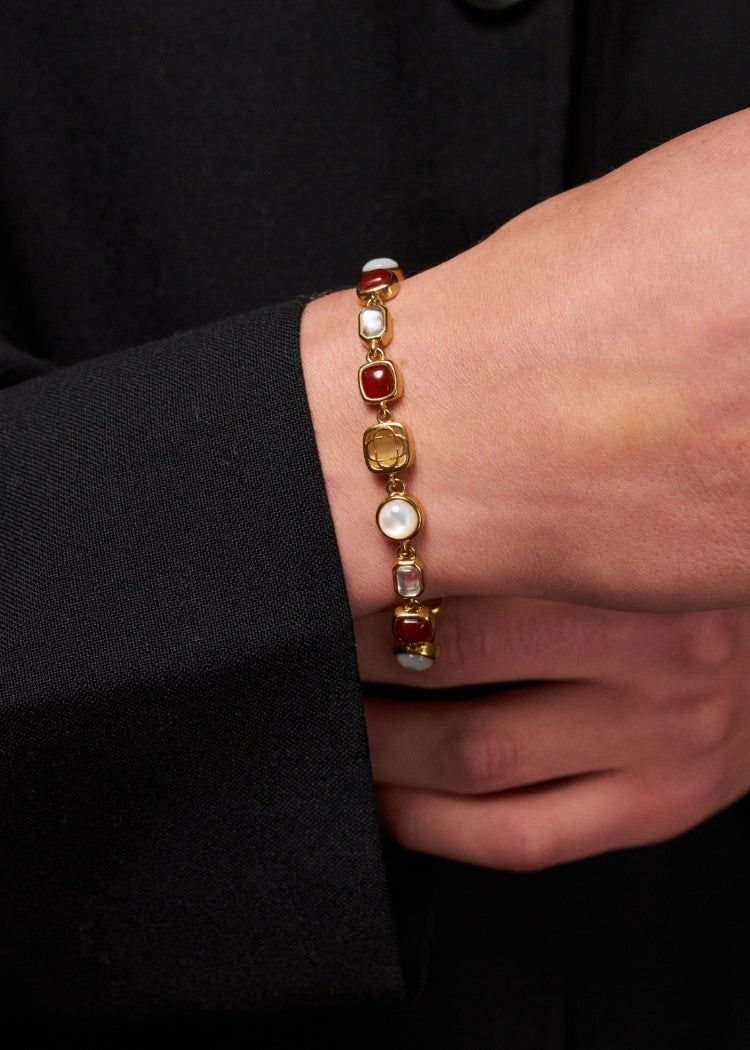
GEMSTONE BRACELETS
SHOP NOW



Cart
Your cart is empty
Your gifting options
Make your gift extra special with our luxury packaging options. Select a gift bag, gift box or a combination to create the perfect presentation.

Luxury Gift Box, Gift Bag & Wrapping Kit ($8.99)
Includes: CRAFTD Luxury Gift Box, Gift Bag, Tissue Wrapping Paper & Ribbon

Meaning Card ($2.99)
Add more meaning to your gift with a meaning card included with your order.
15 variations available

Luxury Gift Box ($5.99)
Choose your option
To My Boyfriend

To My Husband

To My Soulmate

To My Son

To My Grandson

To My Brother

To My True Friend

To My Dad

A Symbol Of Strength

A Symbol Of Faith

A Symbol Of Protection

A Symbol of Luck

A Symbol Of Safe Travel

A Symbol Of Self Belief

A Symbol Of Adventure
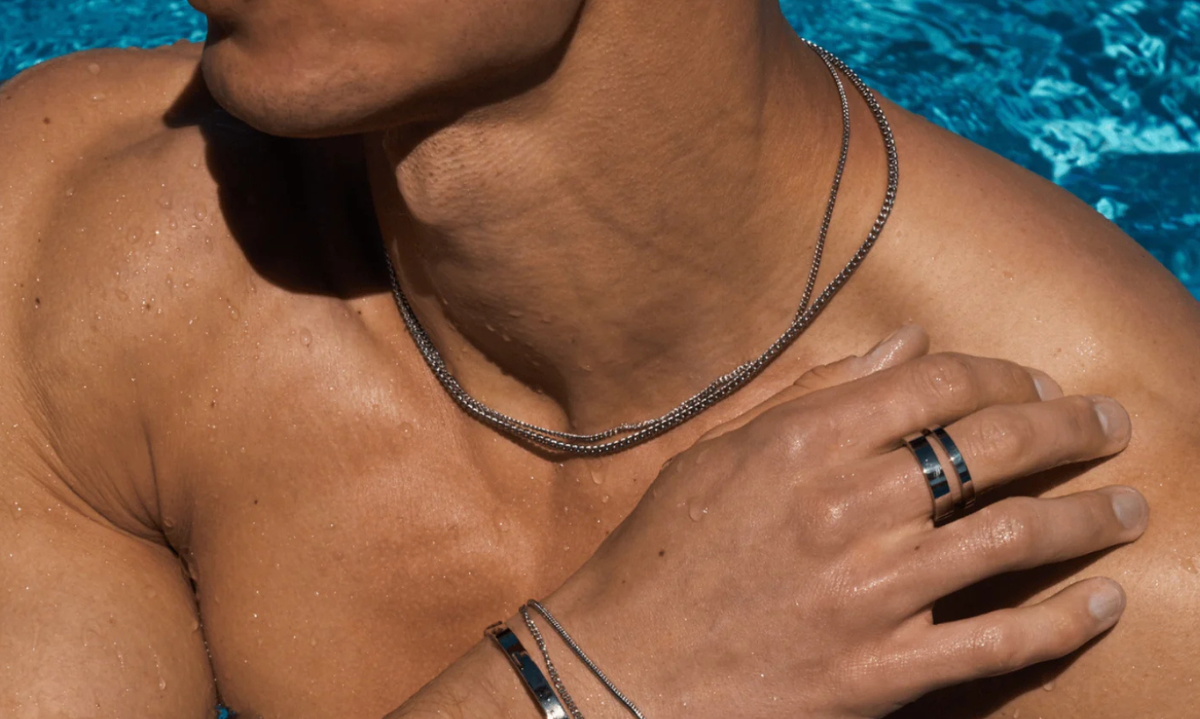
A dull silver chain isn't a sign anything's gone wrong. It's just what silver does. The good news is that getting it back to bright takes ten minutes and things you've already got in the kitchen cupboard.
Below we'll cover why silver goes dull in the first place, the method that brings it back, how often to do it, which chain styles need a little more attention, how to tell what your chain is actually made of, and how to keep it bright between cleans.
Jump to:
Two things cause it, and neither one means your chain's gone wrong.
Tarnishing. Genuine silver reacts with sulfur compounds in the air, and that reaction is what leaves a dark, sometimes yellowish film over time. It's chemistry, not a fault, and it's completely reversible.
Everyday build-up. Skin oils, sweat, and whatever's in the air around you settle into a chain the same way they settle into anything you wear daily. That's what dulls the shine on pieces that haven't tarnished at all, and it's the easiest thing to fix.
What speeds it up. Perfume, hairspray and chlorinated water all accelerate tarnishing, and so does contact with rubber or latex: rubber bands and some jewelry pouches release sulfur compounds of their own. None of it causes lasting damage on its own, it just means the chain needs cleaning sooner than one you take off before you get ready.
Start here before reaching for anything stronger.
That's enough for most everyday dulling. For a chain that's properly tarnished, a baking soda paste (two parts baking soda to one part water) worked in gently with a soft cloth, then rinsed and dried the same way, lifts more stubborn tarnish. Skip toothpaste on anything silver-plated: it's abrasive enough to wear through the plating.
A few things worth avoiding altogether: chlorine and salt water, which pit and discolor silver over time; ultrasonic cleaners on anything with a pendant or stone, which can work a setting loose; and silver dip solutions on plated pieces, strong enough to strip the plating along with the tarnish.
There's no fixed schedule, it depends on how often you wear it. A chain worn most days is best wiped down after each wear and given a proper soak every two to four weeks. One that's mostly stored can go longer between cleans, but give it a wipe before you put it back on: tarnish that's had months to build is more stubborn than tarnish that's had days. Living somewhere humid, or wearing it to train, both mean cleaning it a little more often than that.
The method doesn't change, but how long you spend on it does. What matters is how tightly the links sit together, because that decides how much residue gets trapped and how hard it is to rinse back out.
The one rule that applies across all of them: dry a tight weave completely before you put it away. Water left sitting inside a rope or box chain is what causes spotting, and it's the most common reason a chain looks worse after a clean than before it.
Worth knowing before you clean anything, since the right method depends on what you're actually cleaning.
We carry both: rhodium-finished steel for low-maintenance daily wear, and genuine 925 sterling silver for anyone who wants the weight of a solid precious metal. If you've bought sterling silver from us, it will tarnish over time like any sterling silver does. That's expected, not a fault, and the method above brings it straight back.
Check for a "925" stamp. That's the mark for genuine sterling silver, standing for 92.5% purity. No stamp is a reasonable sign you're looking at plated or silver-tone base metal rather than the real thing. Our guide to the symbols stamped on jewelry covers what every other mark you might find actually means.
A magnet test helps too. Genuine silver isn't magnetic, so a piece that's drawn to a magnet has a meaningful amount of ferromagnetic metal in it somewhere.
Clean the chain itself the same way as above. The pendant needs more care: skip the soak, wipe gemstones and settings with a dry, soft cloth instead, and don't use the baking soda paste directly on a stone, it's fine on plain silver but can be too abrasive for softer or porous stones. If you're not sure what a particular stone can take, a dry wipe is always the safe option. Our guide to black onyx for men goes into how a stone piece behaves day to day, and the same care logic carries across the gemstone range.
Store it in the pouch it arrived in, or anything similar: a sealed, soft bag keeps air and moisture off it between wears, which slows tarnishing more than almost anything else you can do. An anti-tarnish strip or a small silica gel sachet in the pouch slows things down further, worth doing if you're storing a piece for more than a few weeks. Wiping it down with a soft cloth after wear, before it goes back in the pouch, removes the sweat and oils that cause most of the everyday dulling in the first place.
A Cuban chain is the one to start with if you're building a silver collection from scratch: versatile enough to wear alone or stack, and the full range sits in the Cuban chain collection. From there, a Connell chain brings something more minimal into the mix. A wheat chain is worth having for the days a heavier chain feels like too much. If you're not sure which style suits you, our guide to the types of men's chains compares them all, and the chain length guide covers how long to go.
Once the basics are covered, a pendant is where a chain starts to say something about you specifically. Have a look through our pendant collection for the one that fits.
Either everyday build-up from skin oils and sweat, which a quick soap-and-water clean fixes, or genuine tarnish, which is a normal chemical reaction on real silver and comes off with a baking soda paste.
The same way you clean any silver chain: a 10 to 15 minute soak in warm water with a few drops of dish soap, a soft toothbrush worked into the links, then a thorough rinse and an immediate dry. Sterling tarnishes more readily than plated or steel pieces because it is genuine silver, so it needs doing a little more often.
A rope chain has more surface area and tighter gaps than a flat link, so residue settles deeper. Give it a longer soak, 15 to 20 minutes, then work the brush along the chain rather than across it so the bristles follow the twist. Rinse and dry it fully, because trapped water in a tight weave is what leaves spotting.
No. Every genuine sterling silver piece tarnishes eventually, from any brand. It is chemistry, not a sign of poor quality, and it is fully reversible.
On solid sterling silver, sparingly, yes. On anything silver-plated, avoid it: it is abrasive enough to wear through the plating over time.
No, but it speeds up the everyday build-up that dulls the shine, and over time it can encourage tarnish too. Wipe it down after the gym or a heavy sweat and it will not get the chance to build up.
An occasional shower is fine as long as you dry it properly afterwards. Pools and the ocean are best avoided: chlorine and salt water both speed up tarnishing and can pit the metal over time.
That is usually the tarnish reaction itself, since sulfur compounds have a faint metallic smell of their own. A clean with the method above clears it along with the dullness.
About ten minutes of your attention, most of which is the chain sitting in the bowl. Budget longer for a tight weave like rope or box, which needs a longer soak and a more careful dry.
A silver chain doesn't need much. A clean every few weeks and somewhere dry to keep it when it's not being worn is most of the job done.
Have a look through our men's silver chain collection to add to yours.
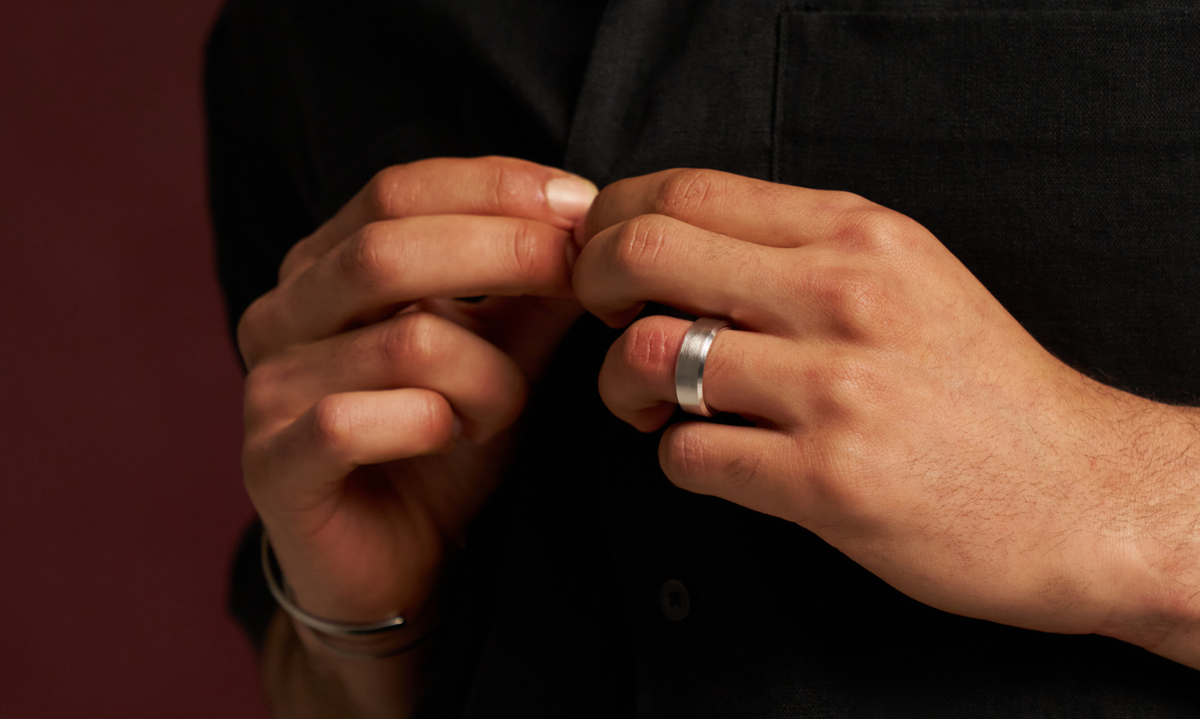
Which Finger Does a Wedding Ring Go On?
Which finger does a wedding ring go on, and which hand? The answer depends on where you are. Here’s the men’s guide, plus what to do when tradition doesn’t suit your work or lifestyle.
Read more
What Is a Rope Chain? And Are They Really That Strong?
The rope chain is defined by twisted links woven together to create its signature texture and shine. Here’s what makes it different, how strong it really is and how to wear one well.
Read more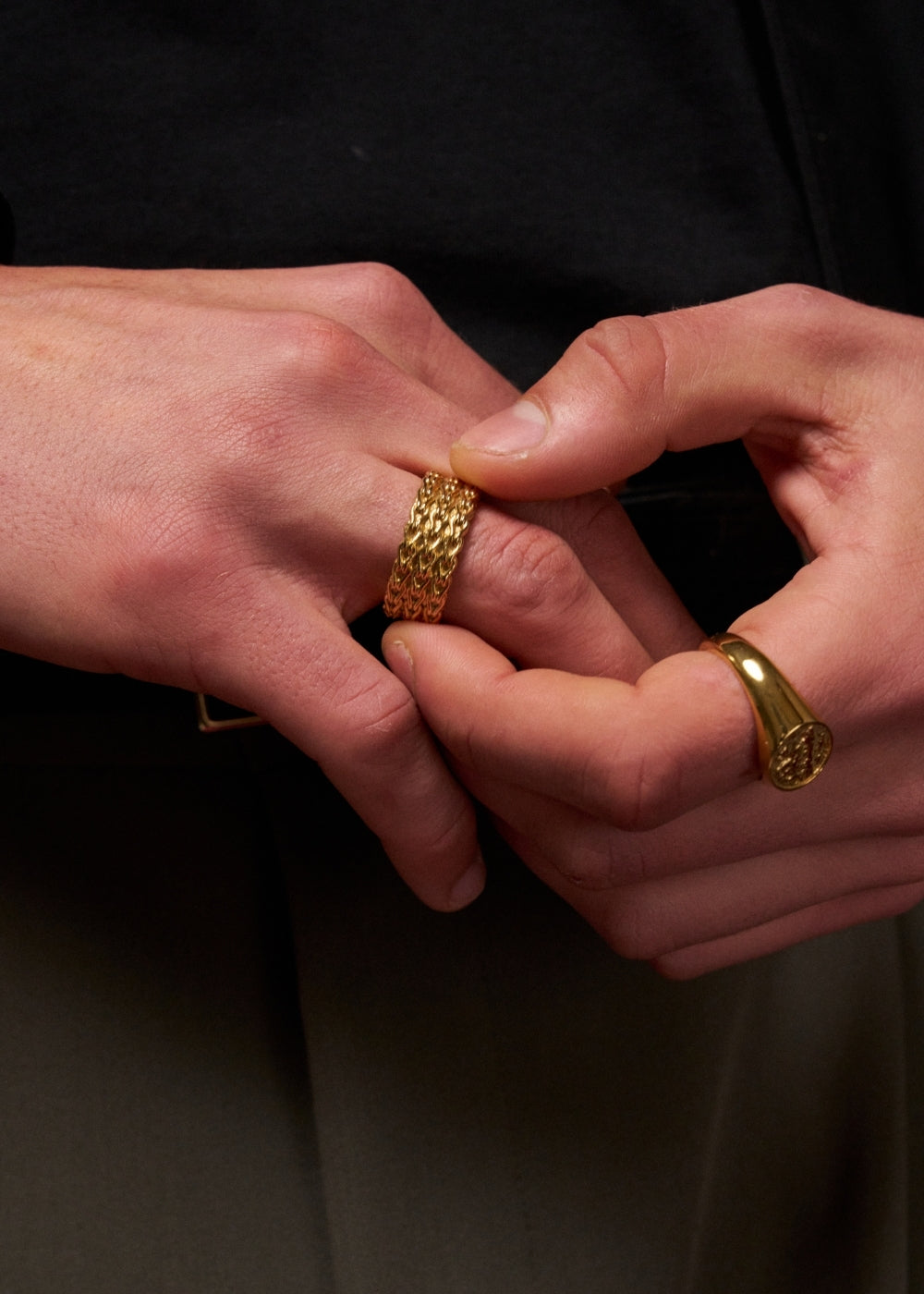


Leave a comment
This site is protected by hCaptcha and the hCaptcha Privacy Policy and Terms of Service apply.