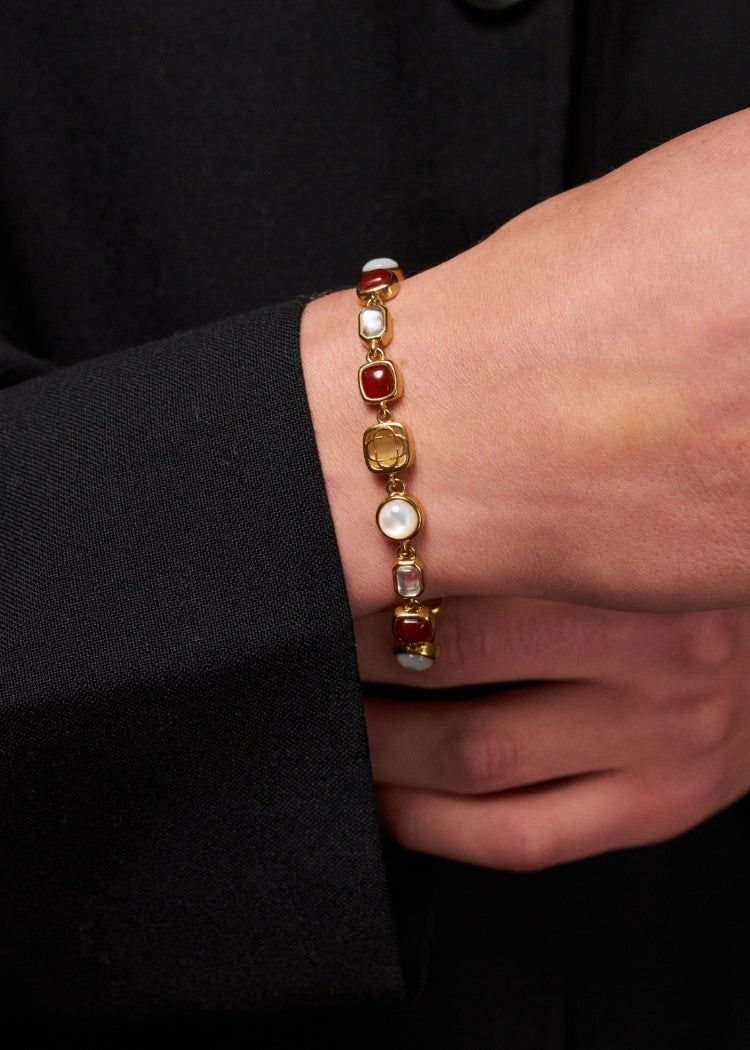
GEMSTONE BRACELETS
SHOP NOW



Cart
Your cart is empty
Your gifting options
Make your gift extra special with our luxury packaging options. Select a gift bag, gift box or a combination to create the perfect presentation.

Luxury Gift Box, Gift Bag & Wrapping Kit ($8.99)
Includes: CRAFTD Luxury Gift Box, Gift Bag, Tissue Wrapping Paper & Ribbon

Meaning Card ($2.99)
Add more meaning to your gift with a meaning card included with your order.
15 variations available

Luxury Gift Box ($5.99)
Choose your option
To My Boyfriend

To My Husband

To My Soulmate

To My Son

To My Grandson

To My Brother

To My True Friend

To My Dad

A Symbol Of Strength

A Symbol Of Faith

A Symbol Of Protection

A Symbol of Luck

A Symbol Of Safe Travel

A Symbol Of Self Belief

A Symbol Of Adventure
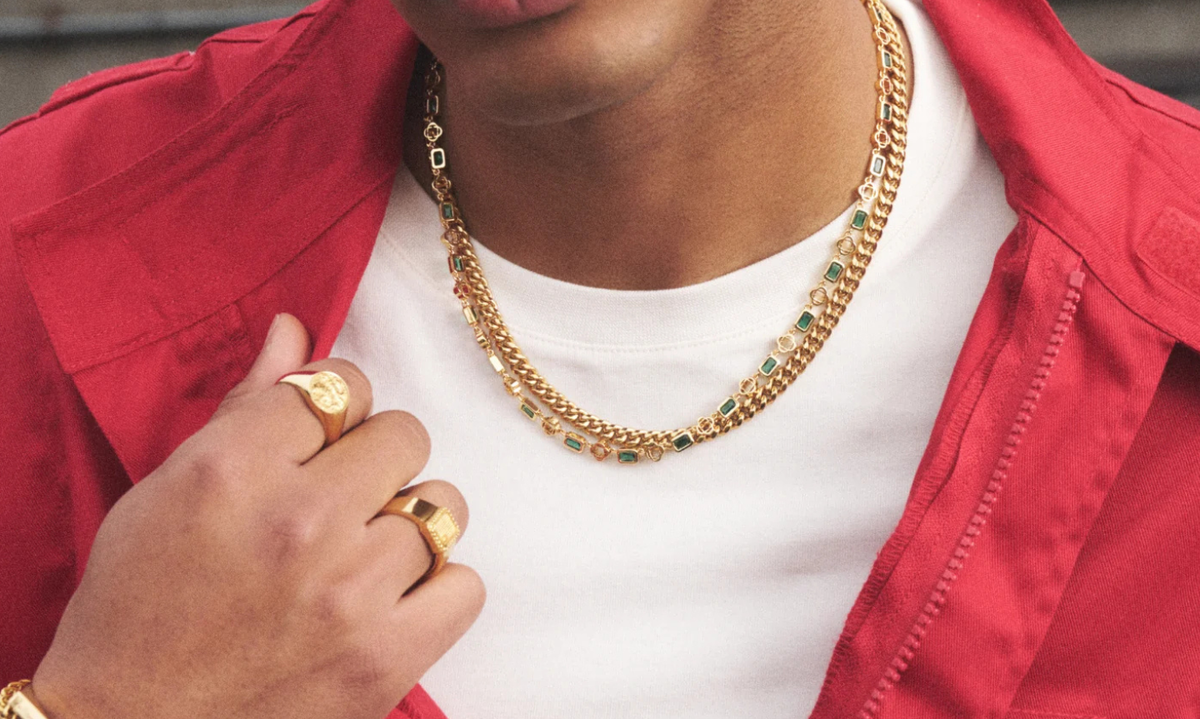
Gold doesn't tarnish.
That's worth knowing before you clean any of it, because it means a gold piece that's gone dull is telling you something about what sits underneath the gold, not about the gold itself. Pure gold doesn't react with air or water. It can't rust and it can't tarnish. So when a gold chain loses its shine, the cause is one of three things: build-up on the surface, the other metals mixed in with the gold, or a base metal starting to show through a finish that's wearing thin.
Which of those it is depends entirely on how the piece is made. And that's the part most cleaning advice skips straight past.
Below we'll cover how to work out what you've actually got, then the right method for each type, the rules that hold across all of them, and where water genuinely sits in all this.
Jump to:
Start with the stamp. Most gold carries one, usually on a clasp, the inside of a band, or a small tag near the fastening.
A karat or millesimal number means solid gold. 24K or 999 is pure. 18K or 750 is 75% gold. 14K is 58.3% gold, stamped 585 because the mark rounds up. 10K is 41.7%, stamped 417. The number tells you how much of the metal is gold and how much is the alloy mixed in for strength, and our guide to the different types of gold goes through what each one is actually good for.
Look for a second mark beside the first one. This is the part almost nobody checks, and in the US it carries more weight than the karat number does. Under the National Stamping Act, a quality mark like 14K has to be accompanied by the registered trademark or name of whoever stands behind it. A karat stamp sitting on its own, with nothing next to it, means no company has put its name to the claim. That's the most useful signal on the whole piece.
A "925" stamp on a gold-colored piece usually means gold vermeil. This catches people out, because 925 is the sterling silver mark. On a gold piece it's the giveaway: vermeil is gold laid over a solid sterling silver base, so it carries the mark of the metal underneath rather than the gold on top. What 925 means on jewelry covers the stamp itself in full.
"GP", "GEP", "1/20 12K GF" or no stamp at all points to a plated or filled piece. GP and GEP are gold plated and gold electroplated. GF is gold filled, and the fraction tells you how much of the total weight is gold.
If there's no stamp, check the product page. That's the most reliable answer for anything bought recently. Our range is described plainly: pieces are either 18K gold over a 316L stainless steel core, or 18K gold vermeil over sterling silver. Anything not marked vermeil, sterling silver or tungsten is the former. Our guide to 18K gold vs gold vermeil goes through how each is built and why the base metal matters more than the karat number.
Weight helps as a last resort. Solid gold is noticeably heavy for its size. A plated steel piece feels solid but lighter, and a costume piece feels light and slightly hollow.
| Type | What it actually is | Clean it with | Never use | What dulling means |
|---|---|---|---|---|
| Solid gold (10K to 24K) | Gold all the way through, alloyed with other metals for strength | Warm soapy water, soft brush fine | Abrasives on high-karat pieces, they scratch easily | Surface build-up, or the alloy metals dulling on lower karats |
| Gold vermeil | At least 2.5 microns of 10K or higher gold over solid sterling silver | Lukewarm soapy water, soft cloth only | Silver polish or silver dip, they strip the gold | Build-up, or the gold layer thinning to the silver beneath |
| Gold plated over steel | 18K gold over a 316L stainless steel core, rhodium beneath for durability | Warm soapy water, soft cloth, gentle brush on detail | Toothpaste, baking soda, ultrasonic cleaners | Build-up, or the plating wearing at high points |
| Cheap gold plated | As little as 0.175 microns of gold over brass or copper, the FTC floor | Damp cloth, nothing more | Soaking, abrasives, anything strong | Usually the base metal coming through for good |
| Gold filled | A gold layer at least 1/20th of total weight, bonded to a brass core | Warm soapy water, soft cloth | Abrasives and polishing cloths | Build-up, and eventually genuine wear |
| Rose gold | Gold alloyed with copper for the color, solid or plated | Mild soap, soft cloth | Anything acidic, the copper reacts | The copper darkening, or plating wear |
| White gold | Gold alloyed with white metals, finished with rhodium | Mild soap, soft cloth | Abrasives, they take the rhodium off | Usually the rhodium finish wearing, not dirt |
| Gold tone / costume | No real gold, a colored finish over base metal | Dry or barely damp cloth | Water, soaking, any cleaner | The finish coming off |
The micron figures in that table aren't marketing numbers. They come from the FTC's jewelry guides, which set a floor of 0.175 microns of gold before a piece can be called gold electroplate at all, and 2.5 microns before it can be called vermeil. That's a fourteen-fold gap hiding behind two words that sound similar, and it's the single most useful thing to know before you buy anything gold-colored.
Rose gold and white gold are colors rather than constructions, so either can be solid, vermeil or plated. Find your construction in the table first, then read the color-specific section below for the extra quirk each one brings.
Solid gold is the most forgiving thing on this list, because there's no finish to wear through and no base metal hiding underneath. What you see is what the piece is made of, all the way down.
Warm water, a few drops of mild dish soap, ten to fifteen minutes to soak. A soft-bristled toothbrush is genuinely fine here, worked gently around any detail or setting. Rinse and dry with a soft cloth.
The one thing to respect is softness. Gold gets softer as the karat goes up, so a 24K or 22K piece scratches more easily than 10K. Skip anything abrasive, keep the pressure light on high-karat pieces, and store them where they won't knock against harder metals.
Lower karats can dull slightly over time. That's the alloy metals reacting, not the gold, and a soapy soak brings it back.
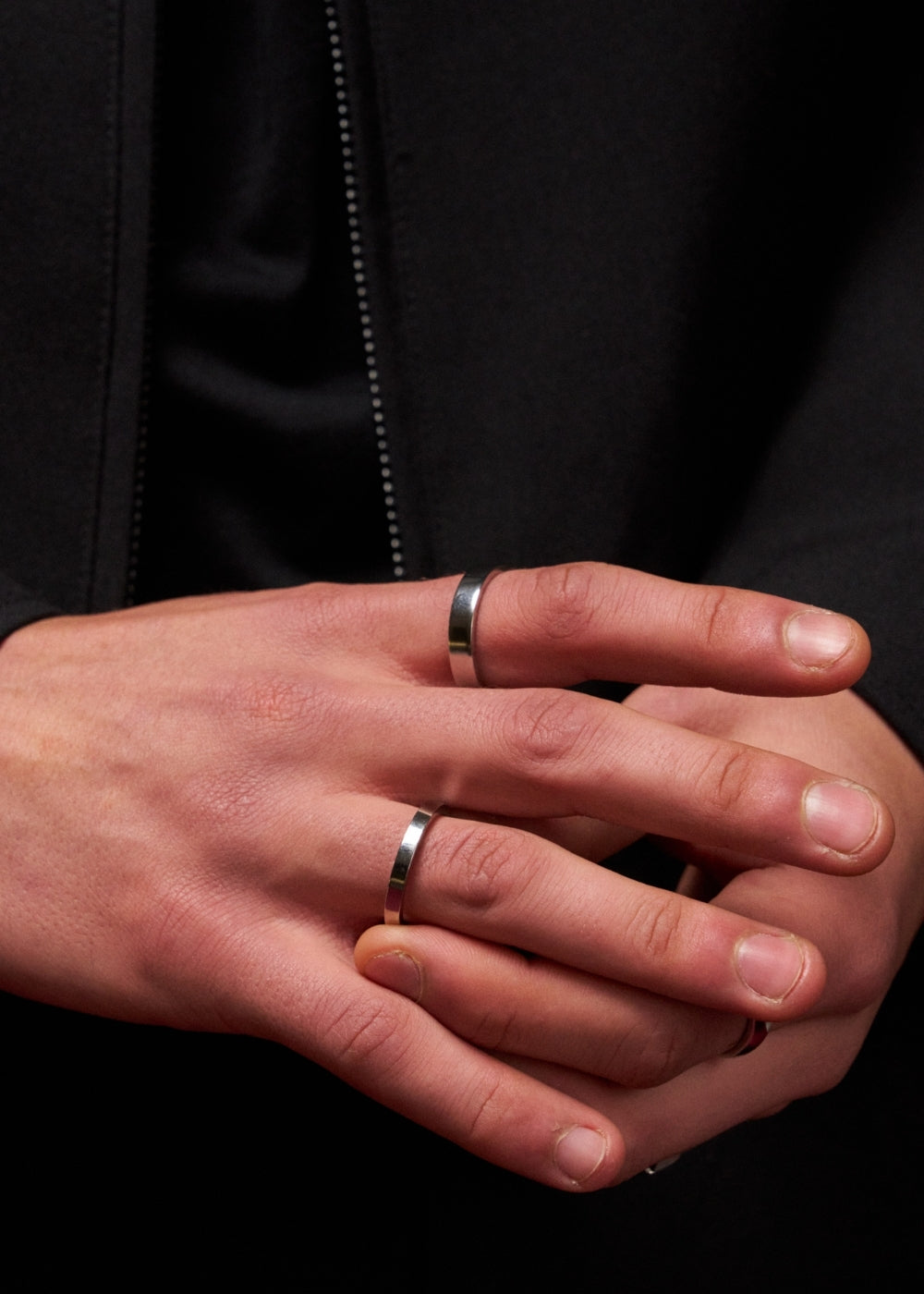
For a chain in particular, the links are where the work is and the method needs a little more patience. How to clean a gold chain runs through it properly, and how to clean gold rings does the same for anything with a band and a setting.
Vermeil needs the gentlest hand of anything here, and for a reason that isn't obvious: the problem isn't the gold, it's the sterling silver holding it up.
Cool or lukewarm water with a couple of drops of mild soap. A soft cloth rather than a brush. Rinse, then dry immediately and properly, because water sitting against a vermeil piece dulls the silver base through the gold above it.
The specific warning worth remembering: never use silver polish or a silver dip on vermeil. Both are made to strip tarnish off sterling silver, and on a vermeil piece the gold is the first thing they reach. A dip that would rescue a silver chain will take the gold off a vermeil one. If a vermeil piece looks tarnished, it's almost always build-up on the gold rather than the silver showing, and mild soap handles it.
Vermeil rewards a bit of care and gives you a heavier, sharper piece in return, which is the whole reason our gold vermeil range is built on a sterling base.
Plated gold is where most damage happens, and it's almost always done by cleaning rather than by wearing.
The short version: warm water, mild dish soap, fifteen to twenty minutes, a soft cloth, then dry it straight away. A soft-bristled toothbrush is fine on engraved detail as long as the pressure stays light.
What matters more is what you keep away from it. Toothpaste and baking soda are both abrasive enough to take gold off a plated surface, and both are the advice you'll find first almost everywhere. Ultrasonic cleaners work plating loose over time. On a piece where the gold layer is measured in microns, a stronger clean is the thing most likely to cost you the finish.
There's a lot more to this one, including how to tell surface build-up apart from plating that's genuinely wearing. Our full guide to cleaning gold-plated jewelry covers it properly, and how long gold plating lasts covers what to expect over the years. If you want to know what the word itself is actually telling you before you buy anything, what gold plated really means breaks down the two numbers that decide whether a plated piece is worth owning.
Rose gold gets its color from copper. Everything specific about cleaning it follows from that.
Clean it the way you'd clean its construction, so solid rose gold takes a soapy soak, plated rose gold takes the gentler plated method. The extra rule is acid. Copper reacts with it, so lemon juice, vinegar and any cleaner leaning on either will mark a rose gold piece in a way they wouldn't mark yellow gold. Those two ingredients turn up in a lot of home-remedy advice, which is exactly why they're worth naming.
Solid rose gold can darken very slightly over years as the copper reacts with air. Some people like it and leave it. If you don't, a soapy clean and a soft cloth lifts most of it.
We do rose gold across several chain styles alongside our yellow gold range, and rose gold vs white gold is worth a read if you're weighing the two.
White gold is the one where dullness usually isn't dirt at all.
It's gold alloyed with white metals, and almost every white gold piece is finished with a thin rhodium plating to give it that bright, cool white. Rhodium is what you're actually looking at, and rhodium wears. When a white gold piece starts looking faintly yellow or warm, that's the finish thinning and the gold alloy underneath showing through. No amount of cleaning fixes it, because there's nothing on top to remove. Re-plating is a jeweler job and a routine one.
For actual cleaning, mild soap and a soft cloth. Nothing abrasive, because abrasives take rhodium off faster than anything. Dry it properly.
Worth saying plainly: white gold isn't what we make. Our silver-tone pieces are rhodium-finished stainless steel, which gets you the same cool white without a finish that needs redoing every couple of years. What white gold actually is covers the re-plating cycle and what it costs to keep up.
Two very different things that often get lumped together.
Gold filled is a thick layer of gold mechanically bonded to a brass core. The FTC requires it to be at least one twentieth of the total metal weight, which is where the "1/20 12K GF" style of stamp comes from. It sits between plated and solid in durability, and it handles a soapy clean and a soft cloth without complaint. Keep abrasives and polishing cloths away from it, since polishing cloths are designed to remove a microscopic layer of metal and there's a limit to how many times that can happen.
Gold tone, sometimes sold as costume or fashion jewelry, has no real gold in it at all. It's a colored finish over base metal, and the finish is the whole piece. Wipe it with a dry or barely damp cloth and nothing else. Don't soak it, don't use cleaner on it, and expect it to be temporary by design.
Whatever you own, these don't change.
Mild soap and warm water is the default, not the fallback. Across every type on this page, the gentlest effective method is also the correct one. There's no gold that benefits from a stronger clean.
Dry it immediately. Water left sitting in a clasp or against a link causes more dulling than wear does, and it's the step people skip.
Let anything you put on your skin dry first. Cologne, moisturizer and sunscreen all dull gold faster than daily wear. Give them a minute before the jewelry goes back on.
Store it dry and apart. A soft pouch keeps moisture off. Keeping gold away from tungsten, steel or anything harder stops it collecting scratches it didn't need. Storing pieces separately also stops chains knotting into each other.
A wipe beats a wash. Ten seconds with a soft cloth when you take a piece off does more over a year than a deep clean every few months. Most dulling never starts if the sweat and oils come off the same day.
Worth being precise here, because "is it waterproof" and "will water damage it" are two different questions and the answers differ.
Our 18K gold over a stainless steel core doesn't rust, tarnish or fade, so water itself won't damage the metal. Getting caught in the rain or washing your hands with a piece on does nothing to it at all.
Showering is the one worth building a habit around, and for a reason that isn't about damage. Soap and shampoo residue dulls a gold surface faster than water alone does, so taking a piece off first is about keeping the finish sharp rather than protecting the metal underneath. Nothing breaks if you forget.
Chlorine and salt water are a different matter, and the reason is the gold rather than the steel. Both are aggressive enough to shorten the life of any gold surface, plated, vermeil or solid. The core will be fine. The finish on top wears faster. So pools, hot tubs and the ocean are the places worth taking a gold piece off, not because it will be ruined but because the gold lasts longer if you do.
Vermeil and solid gold both want the same treatment for the same reason. Costume and cheap plated pieces should stay away from water altogether.
No. Pure gold doesn't react with air or water, so it can't tarnish or rust. What looks like tarnish on a gold piece is either surface build-up, the alloy metals in a lower-karat gold reacting, or a base metal showing through a worn finish.
Almost always skin oils, sweat and product residue building up on the surface, which a soapy clean removes. If the color itself has changed in specific spots rather than dulling evenly, that's usually a finish wearing rather than dirt, and cleaning won't bring it back.
That the piece is gold vermeil. 925 is the sterling silver mark, and vermeil is gold over a solid sterling silver base, so it carries the stamp of the metal underneath rather than the gold on the surface.
There isn't one. The FTC sets no minimum karat for solid gold, only a requirement that the fineness is disclosed accurately, and its own rules use 9 karat in their examples. The idea that 10K is a US legal floor gets repeated a lot and it isn't true. 10K is simply where the American market settled.
Not on its own. Under the National Stamping Act, a quality mark like 14K has to be accompanied by the maker's registered trademark or name. A karat number sitting alone with no maker's mark beside it is the single most useful red flag there is, because it means nobody has put their name to the claim.
Better not to. Both are acidic, and on anything containing copper, rose gold especially, they can mark the surface. They're common in home-remedy advice and there's no gold type where they beat mild soap and warm water.
On solid gold with no stones, usually yes. On anything plated or vermeil, no: the vibration works a gold layer loose over time. Avoid it on any piece with a set stone regardless of the metal, since it can loosen a setting.
Showering is fine on solid gold, vermeil and gold over a steel core. Swimming is the one to avoid, because chlorine and salt water both shorten the life of a gold surface whatever sits beneath it. Costume and cheap plated pieces should stay dry entirely.
Gold asks for very little once you know which kind you're holding. Mild soap, a soft cloth, dry it properly, and keep it out of the pool.
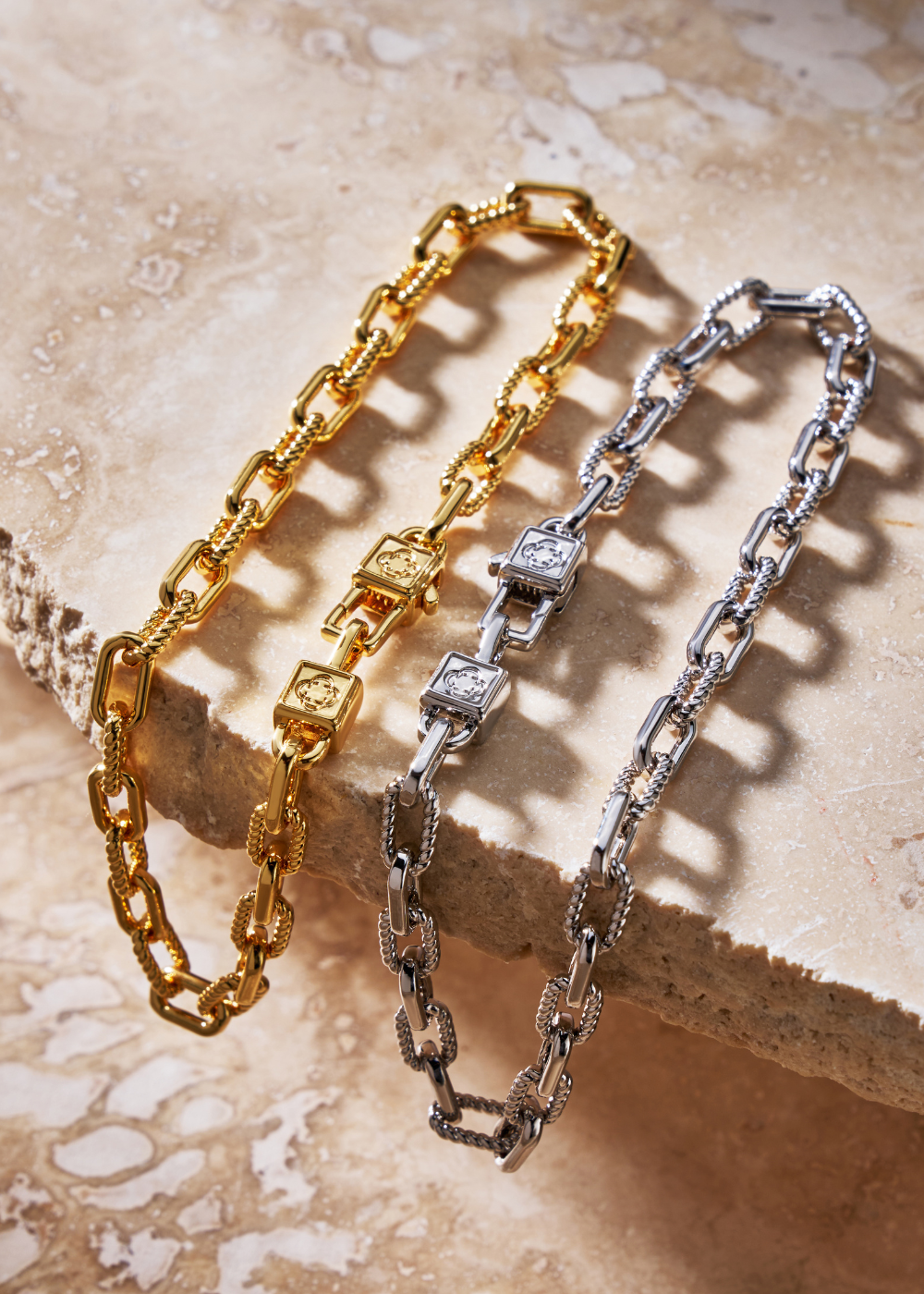
If you're adding to your own collection, the full men's gold jewelry range is the place to start, or go straight to gold chains, gold bracelets and gold rings. Our guide to the types of men's chains helps if you're deciding on a style, and what gold represents covers why it's worth wearing in the first place.
How to Clean Gold-Plated Jewelry Without Damaging It
Most gold-plated jewelry doesn't wear out, it gets cleaned out. Nearly every cleaning tip online was written for solid gold, and on a plated piece toothpaste, baking soda and ultrasonic cleaners al...
Read more
How to Tell if Pearls Are Real: 8 Tests, and What Pearls Are Worth
Are your pearls real? Most fakes give themselves away in under a minute. Here are eight simple tests, what fakes are made of, and what real pearls are actually worth.
Read more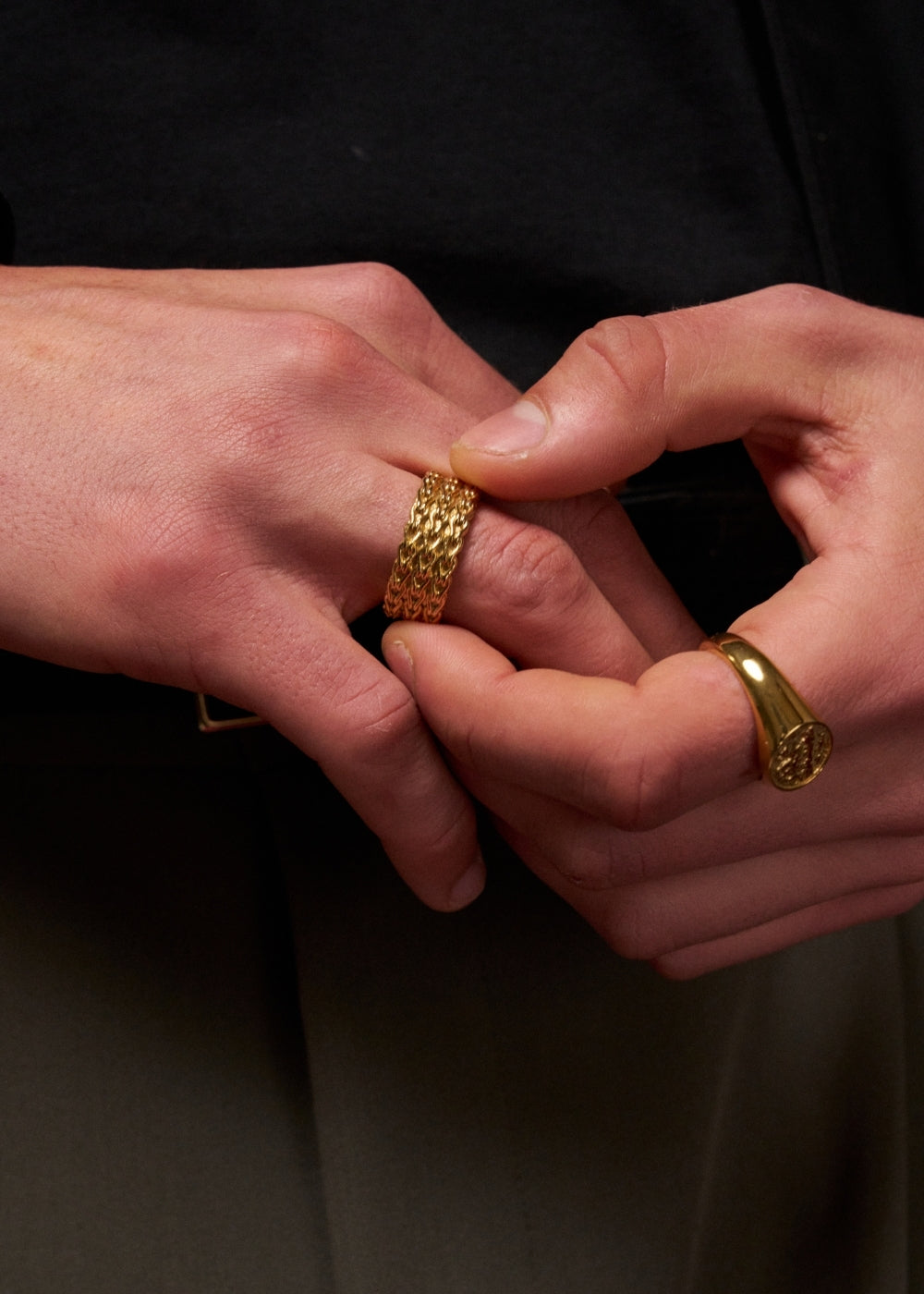


Leave a comment
This site is protected by hCaptcha and the hCaptcha Privacy Policy and Terms of Service apply.